

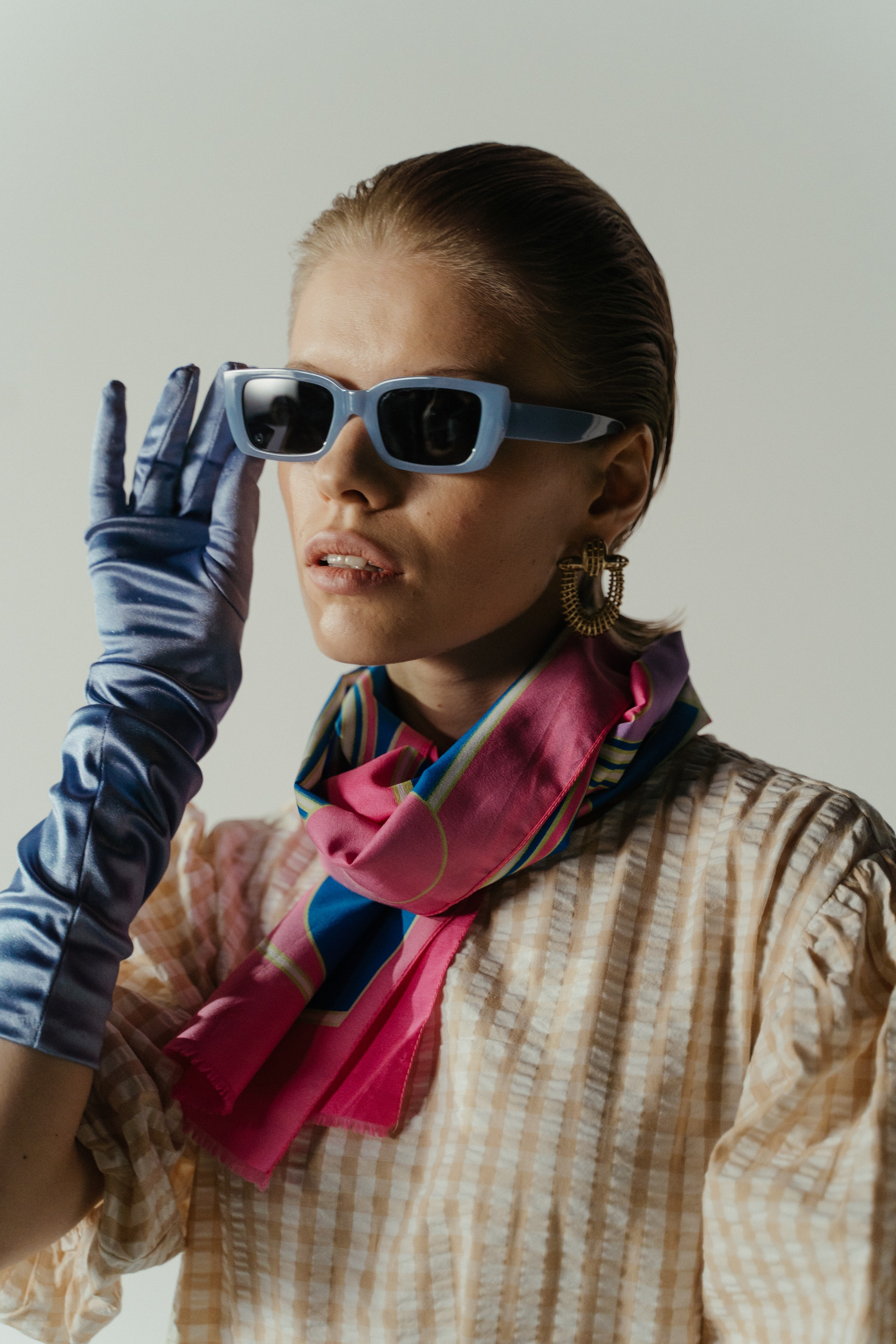






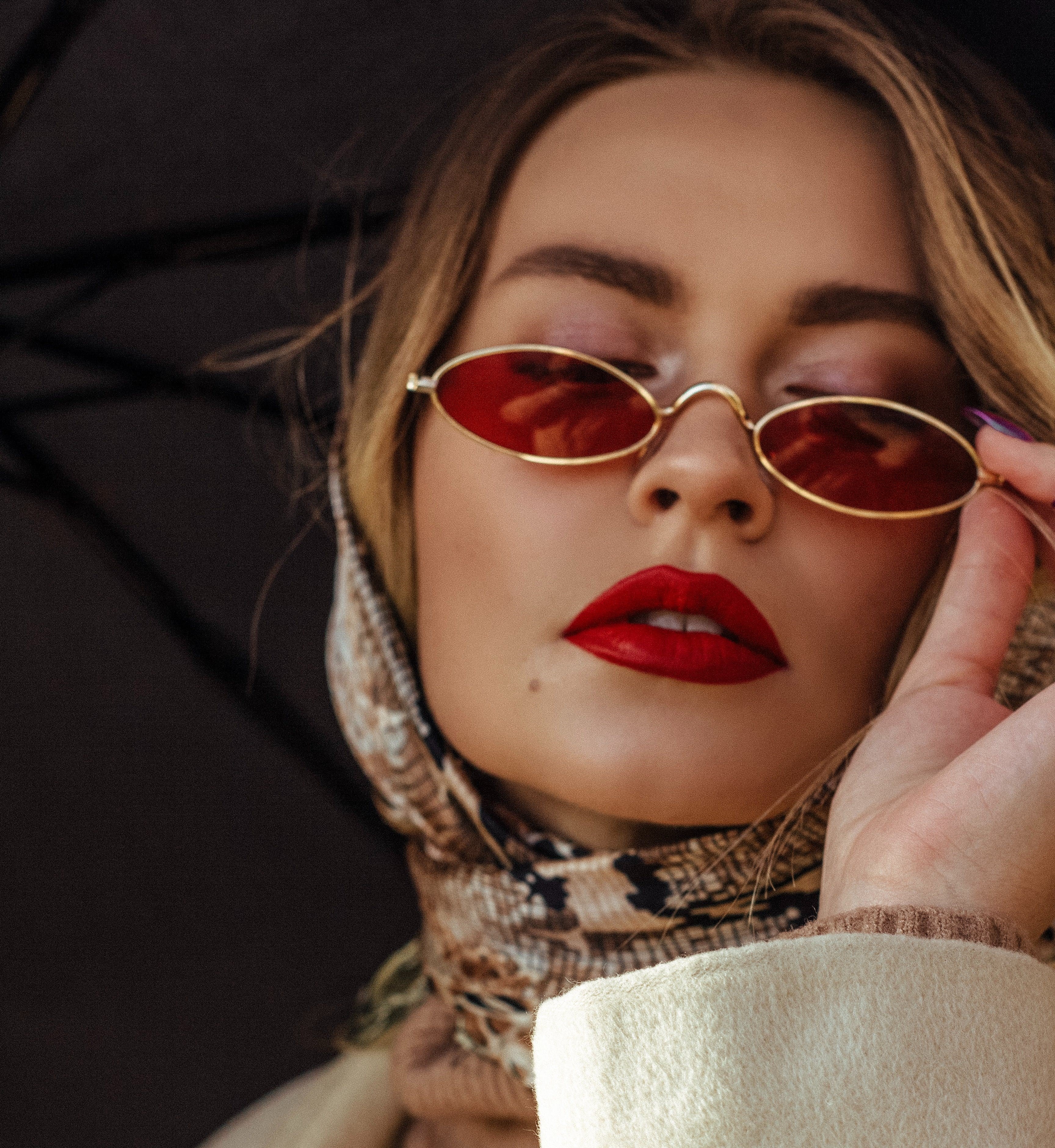
The First Chapters: Ancient Origins and Cultural Symbolism
The neckerchief, far more than just a simple fashion accessory, has a rich and profound history spanning several millennia. Its origins can be traced back to ancient times, when it was used in various cultures for both practical and symbolic reasons. In ancient Rome, the scarf, known as the “sudarium,” was a piece of cloth used to wipe away sweat, while in ancient China it was worn by warriors to indicate their rank. In Egypt, pharaohs wore it as a symbol of power and prosperity. These early uses show that the scarf has always been more than just an ornament; it was a sign of social status and cultural role.
The Rise of the European: From Military Symbol to Fashion Icon
The history of the necktie took a significant turn in 17th-century Europe, particularly with the adoption of the “cravat” by the French nobility, inspired by the neckerchiefs worn by Croatian soldiers. This trend laid the foundation for the modern necktie and marked the beginning of the necktie’s era as a fashion accessory in Europe. In the 19th century, with the advent of the Industrial Revolution and improvements in weaving techniques, neckerchiefs became more accessible and diverse in terms of colors, patterns, and materials. They were frequently used by women to protect their hair or as an elegant accessory to their outfits. Furthermore, the neckerchief began to play a role in the suffragette movement as a means of political and social expression.
The Scarf in the 20th Century: From a Practical Item to a Style Icon
In the 20th century, the scarf took on a new dimension in the fashion world. Style icons such as Audrey Hepburn, Grace Kelly, and even Queen Elizabeth II popularized it as a symbol of grace and elegance. Designers began experimenting with luxurious materials like silk, transforming the scarf into a luxury item. Haute couture fashion houses, particularly Hermès, elevated the scarf to a work of art with complex designs and exclusive patterns. In the 1960s and 1970s, the scarf took on a bohemian twist, reflecting the social and cultural movements of the time. It became a means of personal expression and transcended its traditional role as an accessory.
The Modern Era and Ongoing Development
Today, the scarf continues to evolve, reflecting contemporary trends while remaining true to its rich heritage. From luxury brands to independent designers, the scarf is now available in an endless variety of styles, patterns, and fabrics. It has become a versatile accessory that can transform an ordinary outfit into a sophisticated look. With the rise of e-commerce and social media, the scarf has reached a global audience, allowing styles and traditions from different cultures to intersect and influence one another. The scarf remains not only a fashion accessory but also a means of cultural and personal expression, reflecting the ever-changing and colorful history of fashion throughout the ages.